QTA (Quarterly Tariff Adjustment) is a per-unit charge or credit that appears on electricity bills for a set period after NEPRA approves it. While FPA covers fuel costs month by month, QTA deals with other costs that vary from the estimates used when the annual tariff was set.
What QTA covers
The annual tariff includes estimates for:
- Capacity payments to power plants (paid whether or not the plant runs).
- Transmission and use-of-system charges.
- Variable operation and maintenance costs.
- The effect of actual sales volumes being different from projections.
- Distribution margin and other approved components.
When actual costs differ from these estimates, the difference is adjusted through QTA, quarter by quarter.
How QTA is decided
The federal government or the DISCOs file a request with NEPRA for a quarter. NEPRA holds a hearing, reviews the data and determines a per-unit adjustment. The federal government then notifies how and when it applies — often over a period of several months.
How it appears on your bill
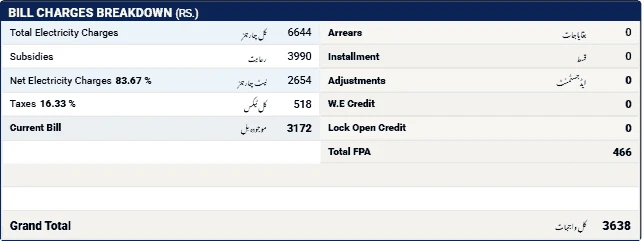
QTA appears as a separate line, calculated as:
QTA rate (Rs per unit) × units billed in the current month
It can be positive (extra charge) or negative (relief). The government may decide to spread or absorb it for some categories.
Who may be exempt
As with FPA, lifeline consumers and sometimes protected consumers have been exempted in particular decisions. Check the specific notification.
Why QTA can be large
Pakistan pays substantial capacity payments to power plants. When electricity demand is lower than expected — for example because many consumers have moved to solar — the fixed costs are spread over fewer units, raising the per-unit cost. QTA is one of the routes through which that difference reaches consumers.
FPA vs QTA
- FPA: monthly, about fuel cost, based on a reference month's units.
- QTA: quarterly, about capacity and other costs, applied to current units over a set period.
What you can do
Keep an eye on NEPRA announcements, and check the QTA line on your bill against the notified rate. Reducing consumption lowers the amount paid.