FPA (Fuel Price Adjustment) — sometimes called fuel charges adjustment (FCA) — is a line on your electricity bill that changes every month. It can add hundreds or thousands of rupees, or occasionally reduce your bill. Here is how it works.

Why FPA exists
Electricity tariffs are set using a reference fuel cost — an estimate of how much it will cost to generate electricity each month using gas, furnace oil, coal, LNG, hydel, nuclear and other sources. In reality, fuel prices and the generation mix change. FPA passes the difference between the reference cost and the actual cost on to consumers.
- If the actual cost is higher, FPA is positive (an extra charge).
- If the actual cost is lower, FPA is negative (a refund).
Who decides FPA?
The Central Power Purchasing Agency (CPPA-G) files a request with NEPRA, usually for a month that ended around two months earlier. NEPRA holds a public hearing and then announces the per-unit adjustment. DISCOs apply it to bills.
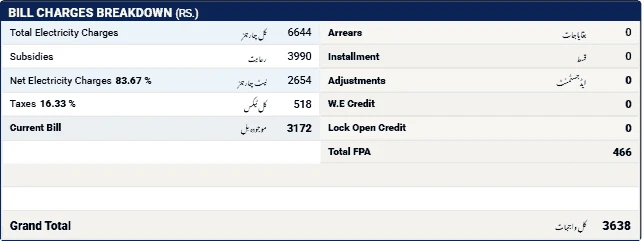
How FPA is calculated on your bill
FPA is a per-unit rate multiplied by your units — typically the units of the reference month for which the adjustment was approved, not necessarily the current month. That is why you can see a large FPA even in a month when you used little electricity.
Example: if NEPRA approves an FPA of Rs 2 per unit for June, and you used 300 units in June, the FPA line on a later bill would be about Rs 600, plus tax on that amount.
Who is exempt?
Exemptions are decided by the government and NEPRA for each period. Lifeline consumers have often been exempted, and some decisions have exempted protected consumers or other categories. Check the latest NEPRA decision.
Is GST charged on FPA?
Generally, sales tax is calculated on the taxable value of electricity, which can include FPA. The exact treatment follows current tax rules.
How to keep track
- NEPRA publishes FPA decisions on its website and they are widely reported in the news.
- Compare the FPA line on your bill with the announced per-unit rate and your reference-month units.
Can you reduce FPA?
You cannot change the rate, but because it is applied per unit, using less electricity reduces the amount. Solar users who consume fewer grid units also pay less FPA.